
What Causes Rust Stains on Boat Stainless Steel?
Stainless steel on boats can still develop rust stains, salt staining, water spots, discoloration, and dullness. South Florida saltwater, humidity, sun, and poor maintenance make the problem show up fast.
Stainless steel stains because it is stain-resistant, not stain-proof
Rust stains on boat stainless steel are usually caused by salt exposure, moisture, surface contamination, poor rinsing, trapped water, low-quality hardware, nearby corrosion, and long gaps between cleaning or polishing.
The name “stainless steel” creates the wrong expectation. It does not mean the metal can sit in a saltwater environment forever without staining. On a boat, stainless steel is constantly exposed to salt, humidity, rain, sun, and contaminants. If it is not cleaned and maintained, it can start looking rusty or dull.
If stainless steel is exposed to saltwater and not rinsed or maintained consistently, staining is not surprising. It is expected.

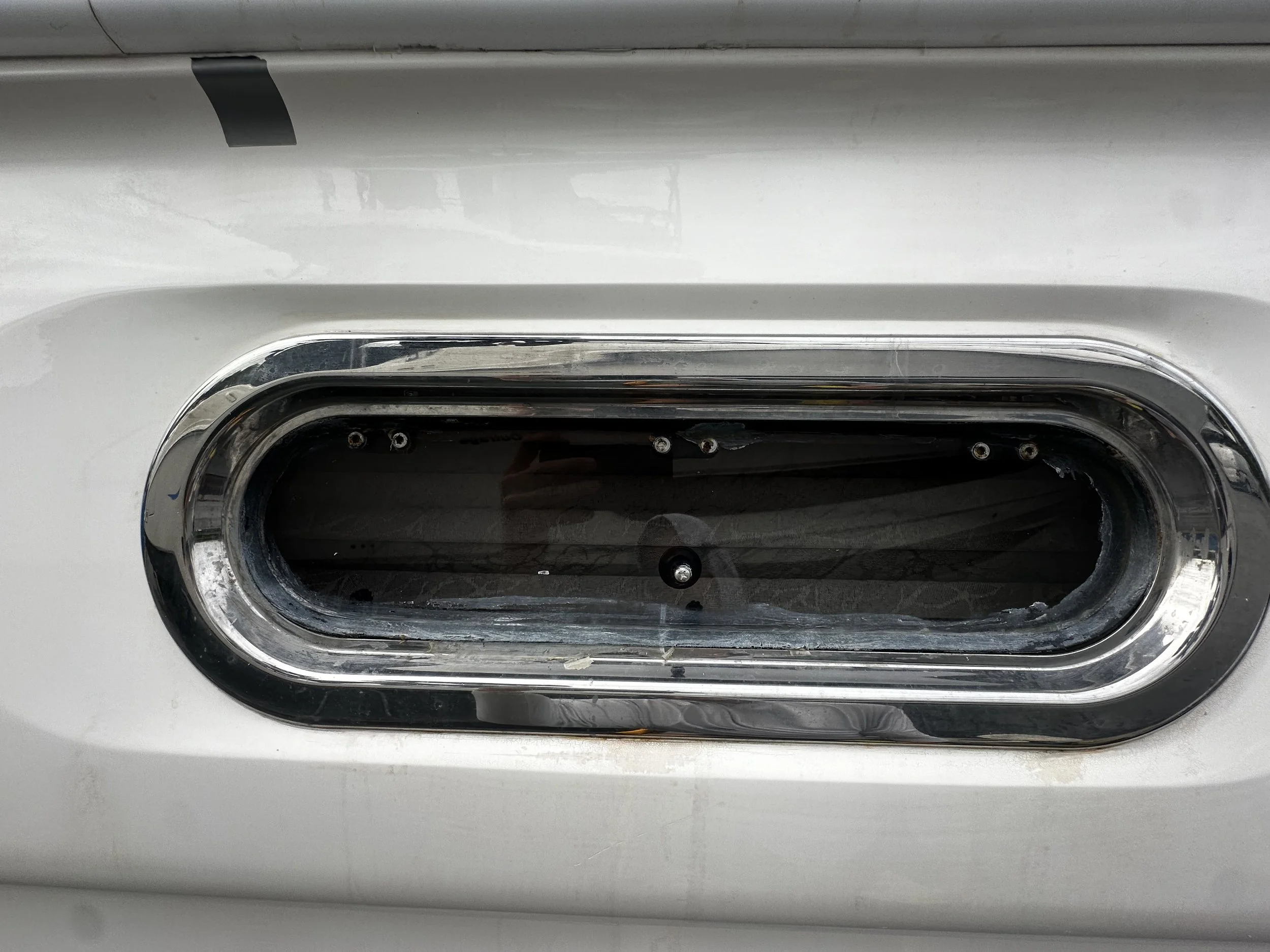
What causes rust stains on boat stainless steel?
Boat stainless steel is exposed to harsher conditions than household stainless. Rails, ladders, cleats, hinges, fittings, rod holders, and hardware are constantly dealing with salt, moisture, UV exposure, and grime.
1. Saltwater exposure
Salt is the biggest issue. Saltwater and salt air can sit on stainless surfaces and attract moisture. If that salt is not rinsed off regularly, stains and dullness can start to appear.
2. Trapped moisture
Water that sits around fittings, bases, welds, screws, hinges, and tight corners can create staining. These areas are harder to clean and tend to hold salt and grime longer.
3. Surface contamination
Rust stains are not always from the stainless itself. Sometimes the staining comes from nearby hardware, screws, tools, metal dust, dock grime, or contaminants sitting on the surface.
4. Lack of regular washing
If the boat is not washed consistently, salt and contaminants sit longer. Stainless that might have stayed clean with regular maintenance can start staining when neglected.
5. Lower-quality stainless or damaged finish
Not all stainless is equal. Some hardware stains faster than others, especially if the finish is damaged, scratched, pitted, or lower quality.
6. Harsh cleaners or poor cleaning methods
Using the wrong product or aggressive methods can damage the surface or leave residue behind. That can make staining come back faster.
If the stainless is deeply pitted, damaged, or corroded, polishing can improve appearance, but it may not make the metal look brand new.
Signs your boat stainless needs polishing
Stainless steel polishing is usually needed when normal washing no longer makes the metal look clean. If the metal still looks stained, dull, rusty, or spotted after washing, it likely needs dedicated polishing.
- Brown or orange rust-like stains
- Salt staining around rails and fittings
- Dull or cloudy stainless
- Water spots that do not wipe away
- Staining around screws, welds, or hardware bases
- Metal looks neglected even after the boat is washed
- Rust marks returning quickly after basic cleaning
How do you fix rust stains on boat stainless?
The right fix depends on whether the staining is surface-level or deeper corrosion. Light staining can often be improved with proper cleaning and polishing. Deep pitting or damaged metal has limits.
Step 1: Wash the area first
The metal should be washed before polishing. Loose salt, dirt, and grime need to be removed so the surface can be properly evaluated.
Step 2: Inspect the stainless
After washing, inspect the metal for surface stains, rust marks, pitting, scratches, and corrosion. This determines what kind of improvement is realistic.
Step 3: Polish the metal
Stainless polishing helps improve surface staining, dullness, oxidation, and rust marks. The goal is a cleaner, brighter, more maintained look.
Step 4: Wipe and maintain
After polishing, the area should be wiped down and maintained with regular washing. Polishing is not permanent if the metal goes right back to sitting in salt and moisture.
Polish the stainless when it needs correction, then keep the boat washed regularly so salt and moisture do not sit on the metal for long periods.
How to prevent rust stains from coming back quickly
You cannot completely remove the marine environment, but you can slow down how fast staining comes back.
Rinse after use
A freshwater rinse after saltwater use helps remove salt before it dries and sits on the stainless.
Keep the boat on a wash plan
A recurring wash plan helps reduce salt buildup, grime, bird droppings, and contaminants across the boat, including stainless hardware.
Do not ignore small stains
Light staining is usually easier to improve than heavy staining, pitting, and long-term corrosion. Waiting too long makes the job harder.
Use the right products
Harsh or incorrect cleaners can leave residue or damage the finish. Stainless should be cleaned and polished with the right process for marine metal.
Pay attention to problem areas
Bases of rails, hinges, ladders, screws, welds, cleats, and tight corners usually stain faster because they trap salt and moisture.
Stainless polishing vs replacement
Polishing improves the appearance of existing metal. It is not the same as replacing damaged hardware. If the stainless is deeply pitted, flaking, cracked, or structurally compromised, polishing has limits.
Good Fit for Polishing
- Surface rust stains
- Salt and water spots
- Dull stainless hardware
- Light oxidation
- Stained rails and fittings
May Need Replacement
- Deep pitting
- Severe corrosion
- Damaged hardware
- Compromised fittings
- Metal that cannot be safely restored
Related services
If your stainless looks stained, dull, rusty, or neglected, it can often be added to a full detail or quoted as a standalone polishing service.
Stainless Steel Polishing
For stained, dull, rusty, or neglected marine metal that needs dedicated polishing.
View Stainless PolishingBoat Detailing
For boats that need polishing, oxidation improvement, stainless work, and protection.
View Boat DetailingBoat Wash Plans
For routine maintenance that helps reduce salt, grime, and buildup across the boat.
View Wash PlansCommon questions about rust stains on boat stainless steel
Why does stainless steel rust on boats?
Stainless steel can show rust stains from saltwater exposure, moisture, surface contamination, trapped water, lower-quality hardware, damaged finish, or lack of regular cleaning.
Can rust stains be removed from boat stainless steel?
Surface rust stains can often be improved with proper cleaning and polishing. Deep corrosion, pitting, or damaged metal may not fully restore.
Does stainless steel polishing prevent rust forever?
No. Polishing improves appearance, but South Florida saltwater exposure is harsh. Regular washing and maintenance are still needed.
What areas of boat stainless usually stain first?
Rails, ladders, cleats, hinges, screws, welds, hardware bases, rod holders, and fittings usually stain faster because they collect salt, water, and grime.
Can stainless polishing be added to a full boat detail?
Yes. Stainless steel polishing can be quoted by itself or added to a full boat detail or custom marine care package.
Is your boat’s stainless looking stained or rusty?
Send us photos of the metal areas, your boat size, location, and close-ups of the stains. We will review the condition and recommend the right polishing scope.
- Boat size and type
- Boat location
- Photos of stainless areas
- Close-ups of rust stains
- Standalone service or add-on
- Preferred timing